
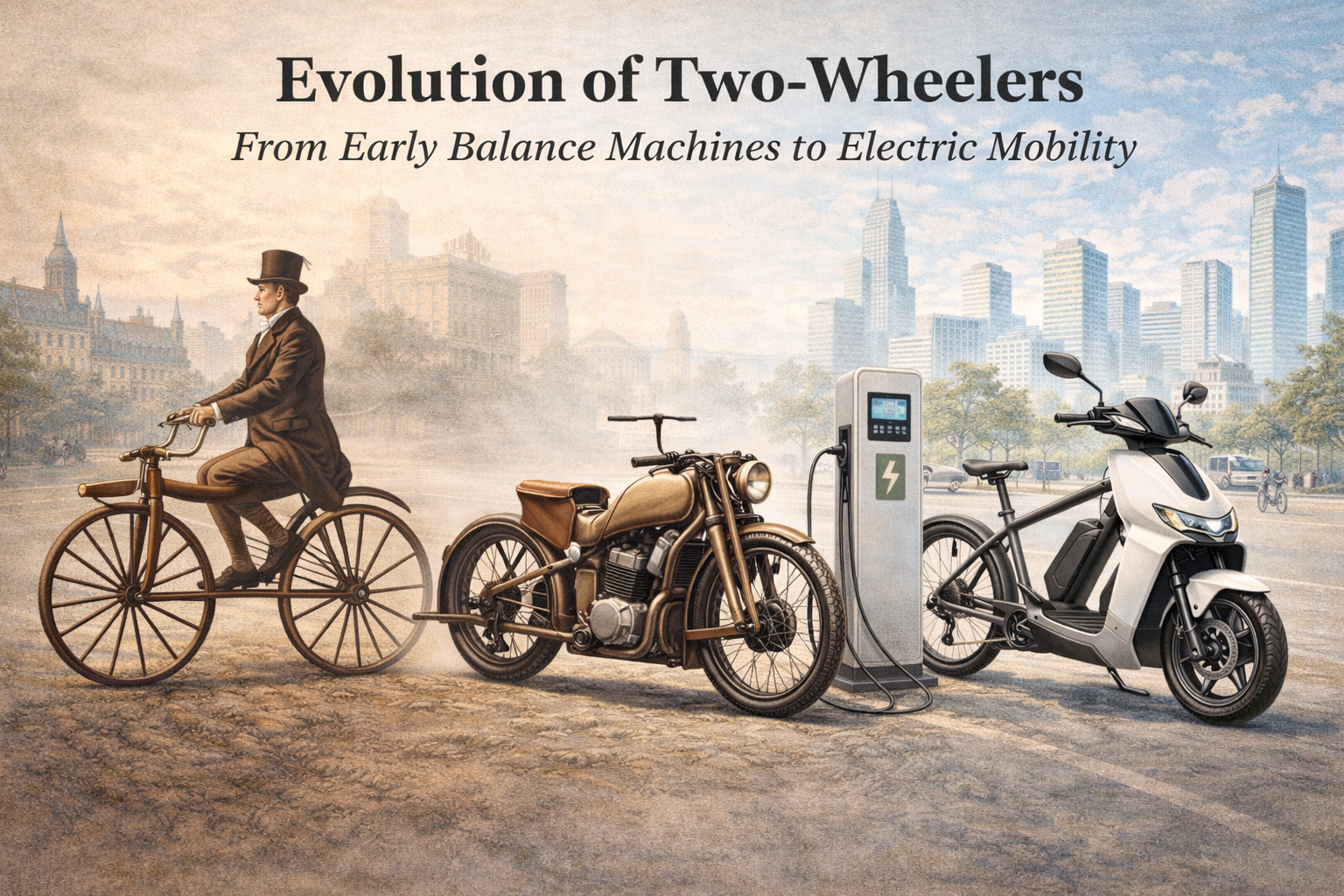
History of Two-Wheelers: From Draisine to Electric Mobility
The history of two-wheelers represents one of the most influential and enduring developments in global transportation. Long before cars became symbols of personal freedom, two-wheeled machines quietly transformed how people moved, worked, and connected with their surroundings. Unlike automobiles, which evolved around enclosure, comfort, and increasing complexity, two-wheelers followed a different engineering philosophy: simplicity, efficiency, and direct interaction between rider and machine.
Across continents and cultures, two-wheelers adapted to economic realities, infrastructure limitations, and social needs. They became tools of necessity rather than luxury, shaping everyday life in ways few other machines have. From early balance-driven wooden frames to modern electric scooters with digital connectivity, the evolution of two-wheelers mirrors broader shifts in technology, society, and environmental awareness.
- Early Human-Powered Two-Wheelers
- Birth of the Motorcycle
- Industrialization and Global Expansion
- Two-Wheelers in World Wars
- Post-War Mobility and Social Change
- Cultural Identity of Motorcycles
- Japanese Engineering and Market Leadership
- Scooters and Urban Transportation
- Two-Wheelers in Developing Economies
- Engineering and Safety Advancements
- Motorsport and Technology Transfer
- Environmental Regulations and Emissions
- Electric Two-Wheelers and Smart Mobility
- The Future of Two-Wheelers
- Frequently Asked Questions
Early Human-Powered Two-Wheelers
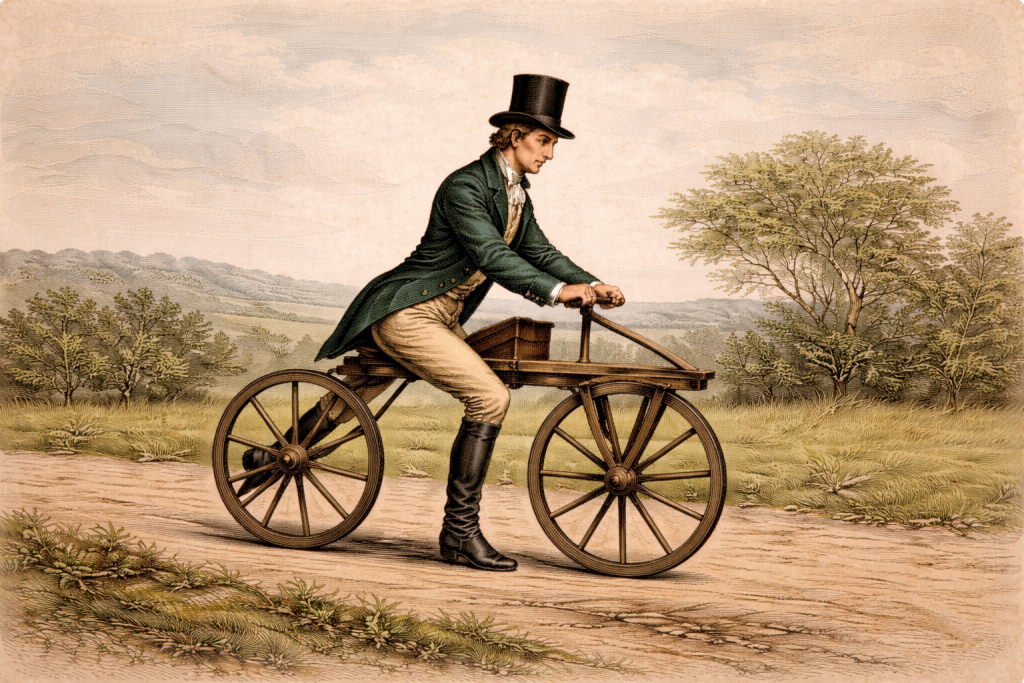
The earliest two-wheelers emerged not from a desire for speed, but from the challenge of human balance and efficient movement. In 1817, the introduction of the Draisine demonstrated that two wheels aligned in a single track could remain stable through motion and rider input. This principle of dynamic balance was revolutionary, establishing the foundation for all future two-wheeled vehicles.
Although primitive by modern standards, these early machines introduced steering geometry, rider posture considerations, and the fundamental relationship between wheelbase and stability. As pedals, chains, and pneumatic tires were added in later decades, bicycles became increasingly efficient mechanical systems. These developments provided the structural and mechanical knowledge necessary to eventually integrate powered propulsion.
Birth of the Motorcycle
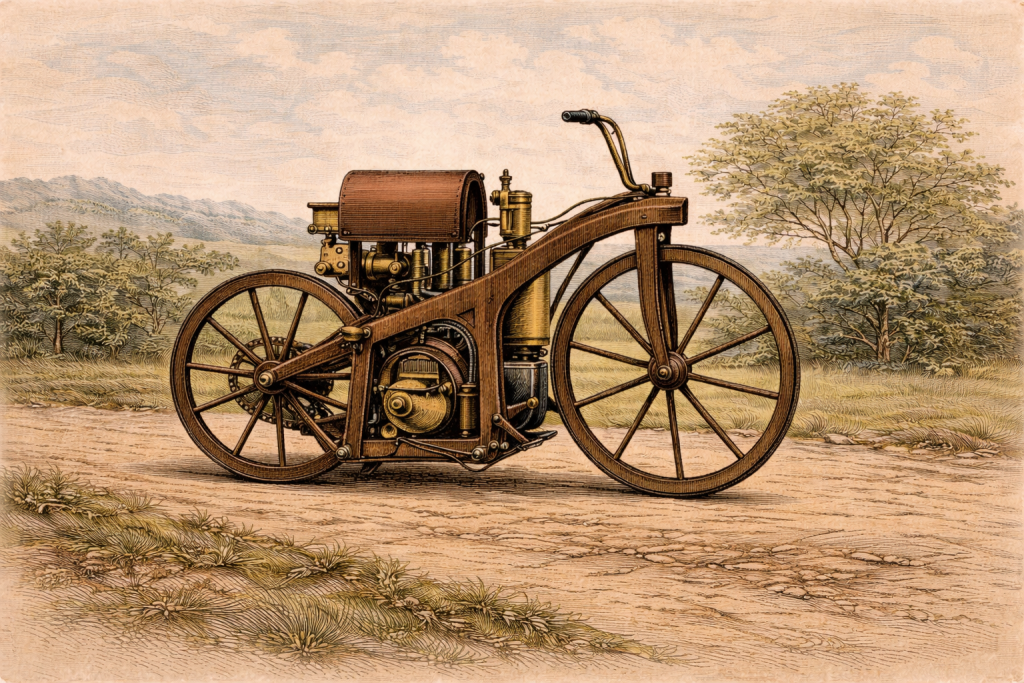
The transition from human-powered machines to motorized two-wheelers occurred in the late nineteenth century, driven by rapid advances in internal combustion engine technology. In 1885, the first petrol-powered motorcycle demonstrated that a compact engine could be mounted on a two-wheeled frame without compromising balance or control. This moment marked the true birth of the motorcycle.
Early motorcycles were experimental and often unreliable, but they proved a critical concept: powered two-wheelers could deliver personal mobility without the cost, weight, or complexity of four-wheeled vehicles. Engineers began refining engine placement, cooling methods, and drivetrain layouts, gradually transforming experimental prototypes into usable machines.
Industrialization and Global Expansion
By the early twentieth century, motorcycles entered an era of industrial production. Standardized components, improved metallurgy, and assembly-line manufacturing enabled consistent quality and lower costs. Motorcycles quickly became practical transportation tools rather than mechanical curiosities.
Their global spread was accelerated by poor road infrastructure in many regions, where lightweight, narrow vehicles outperformed larger automobiles. Motorcycles proved capable of traversing unpaved roads, narrow streets, and rural paths, making them especially valuable in emerging economies and remote areas.
Two-Wheelers in World Wars
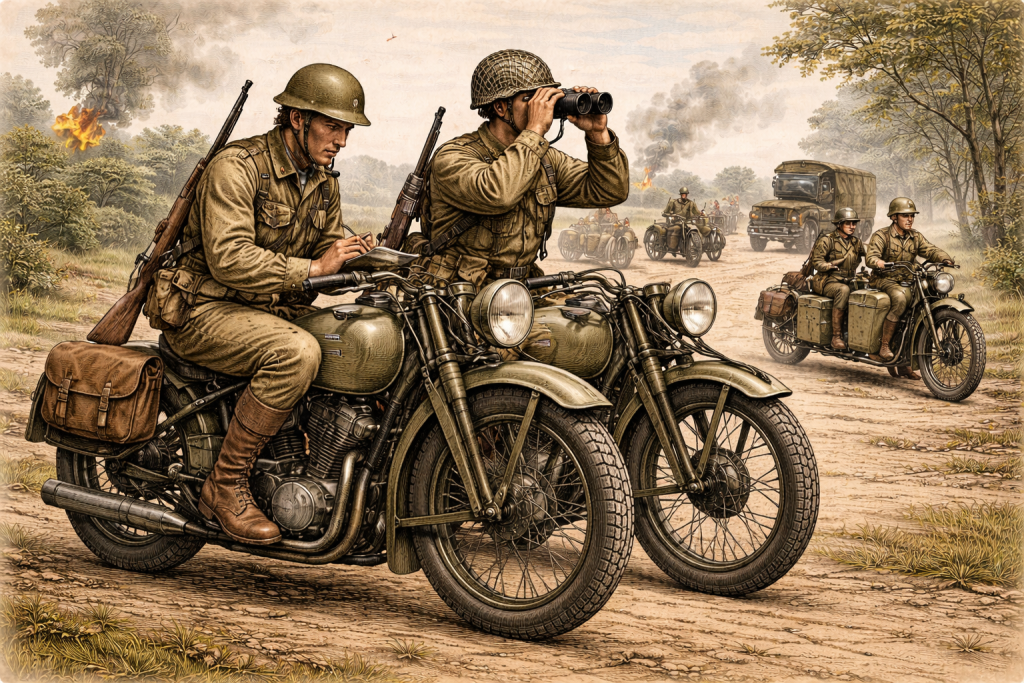
During the First and Second World Wars, motorcycles played a crucial operational role. Their speed, maneuverability, and mechanical simplicity made them ideal for communication, reconnaissance, and supply tasks. Military demand pushed manufacturers to improve durability, suspension performance, and engine cooling under extreme conditions.
These wartime pressures accelerated technological progress, with many innovations later adapted for civilian use. Stronger frames, improved braking systems, and more reliable engines emerged directly from military requirements.
Post-War Mobility and Social Change
Following World War II, motorcycles became symbols of reconstruction and economic recovery. Surplus military vehicles and simplified civilian models offered affordable transportation to millions. For workers and small business owners, motorcycles enabled commuting, deliveries, and economic participation at minimal cost.
In many countries, two-wheelers bridged the gap between walking and car ownership, reshaping urban and rural mobility patterns. They transitioned from luxury items to everyday necessities, embedded deeply in daily life.
Cultural Identity of Motorcycles
Beyond utility, motorcycles developed strong cultural identities. In different regions, they came to represent freedom, rebellion, craftsmanship, or efficiency. Riding styles, customization trends, and community formations transformed motorcycles into cultural artifacts rather than mere machines.
This emotional connection remains a defining characteristic of motorcycling, distinguishing it from other forms of transportation.
Japanese Engineering and Market Leadership
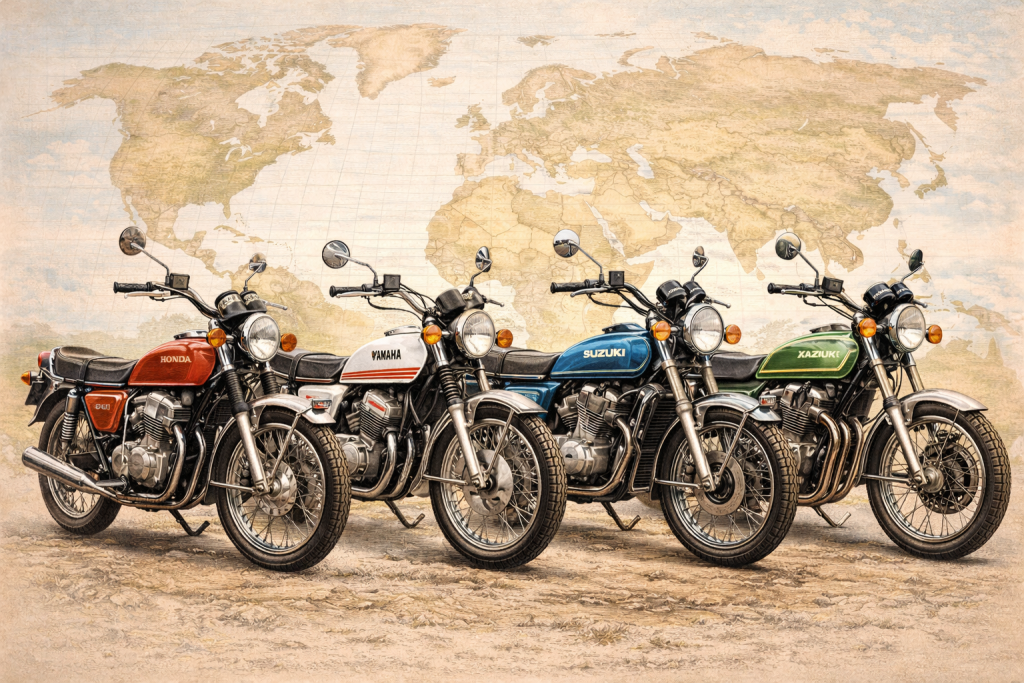
From the 1960s onward, Japanese manufacturers reshaped the global motorcycle industry. Their focus on reliability, fuel efficiency, and ease of ownership set new benchmarks. By prioritizing mass production and quality control, they made motorcycles accessible to an unprecedented global audience.
These engineering philosophies influenced not only product design but also manufacturing standards worldwide, establishing long-term market leadership.
Scooters and Urban Transportation
Scooters emerged as a distinct category focused on urban usability. Step-through frames, enclosed engines, and automatic transmissions simplified operation and broadened appeal. They proved particularly effective in dense cities where short trips and frequent stops were common.
Two-Wheelers in Developing Economies
In developing economies, two-wheelers continue to serve as economic enablers. Their low purchase price, minimal fuel consumption, and adaptability make them essential tools for commuting, logistics, and small-scale entrepreneurship.
Engineering and Safety Advancements
Modern two-wheelers integrate advanced safety and control systems once reserved for premium vehicles. Anti-lock braking systems, electronic fuel injection, traction control, and improved suspension designs have significantly reduced accident risks and improved ride stability.
Motorsport and Technology Transfer
Motorcycle racing has long served as a testing ground for innovation. Lightweight materials, aerodynamic fairings, and high-performance braking systems were refined on racetracks before appearing in consumer models, accelerating technological transfer.
Environmental Regulations and Emissions
Stricter emission regulations have reshaped two-wheeler engineering. Cleaner combustion processes, catalytic converters, and noise reduction measures reflect a growing emphasis on environmental responsibility without sacrificing mobility.
Electric Two-Wheelers and Smart Mobility
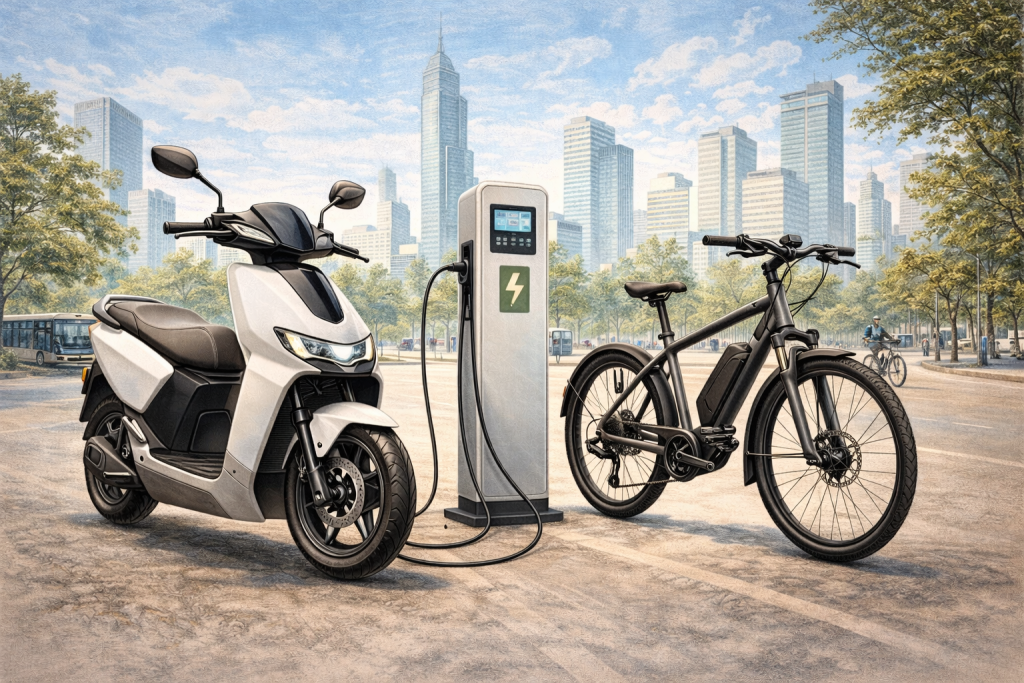
Electric two-wheelers represent the latest phase in this long evolution. With zero tailpipe emissions, reduced maintenance, and integrated digital features, they align closely with modern urban mobility needs and sustainability goals.
The Future of Two-Wheelers
Looking ahead, two-wheelers will continue to evolve alongside advances in connectivity, energy storage, and safety systems. Despite technological changes, their core value remains unchanged: efficient, accessible, and personal mobility.
Frequently Asked Questions
What was the first two-wheeler?
The earliest two-wheeler was the Draisine, introduced in 1817 as a human-powered balance vehicle.
Who invented the first motorcycle?
The first motorcycle was developed in 1885, using a petrol engine mounted on a two-wheeled frame.
Why are two-wheelers dominant in many regions?
Two-wheelers dominate many regions due to their affordability, efficiency, and adaptability to traffic conditions.
How has motorcycle safety improved over time?
Motorcycle safety has improved through electronic braking systems, better suspension, and stronger chassis designs.
Are electric two-wheelers the future of mobility?
Electric two-wheelers are expected to play a major role in future urban mobility due to environmental and economic advantages.