
Cars & Four-Wheelers Explained
Cars and four-wheelers represent the most complex and widely adopted form of personal transportation. This pillar explains how modern cars are engineered, how their core systems interact, and why design trade-offs shape performance, safety, efficiency, and real-world usability.
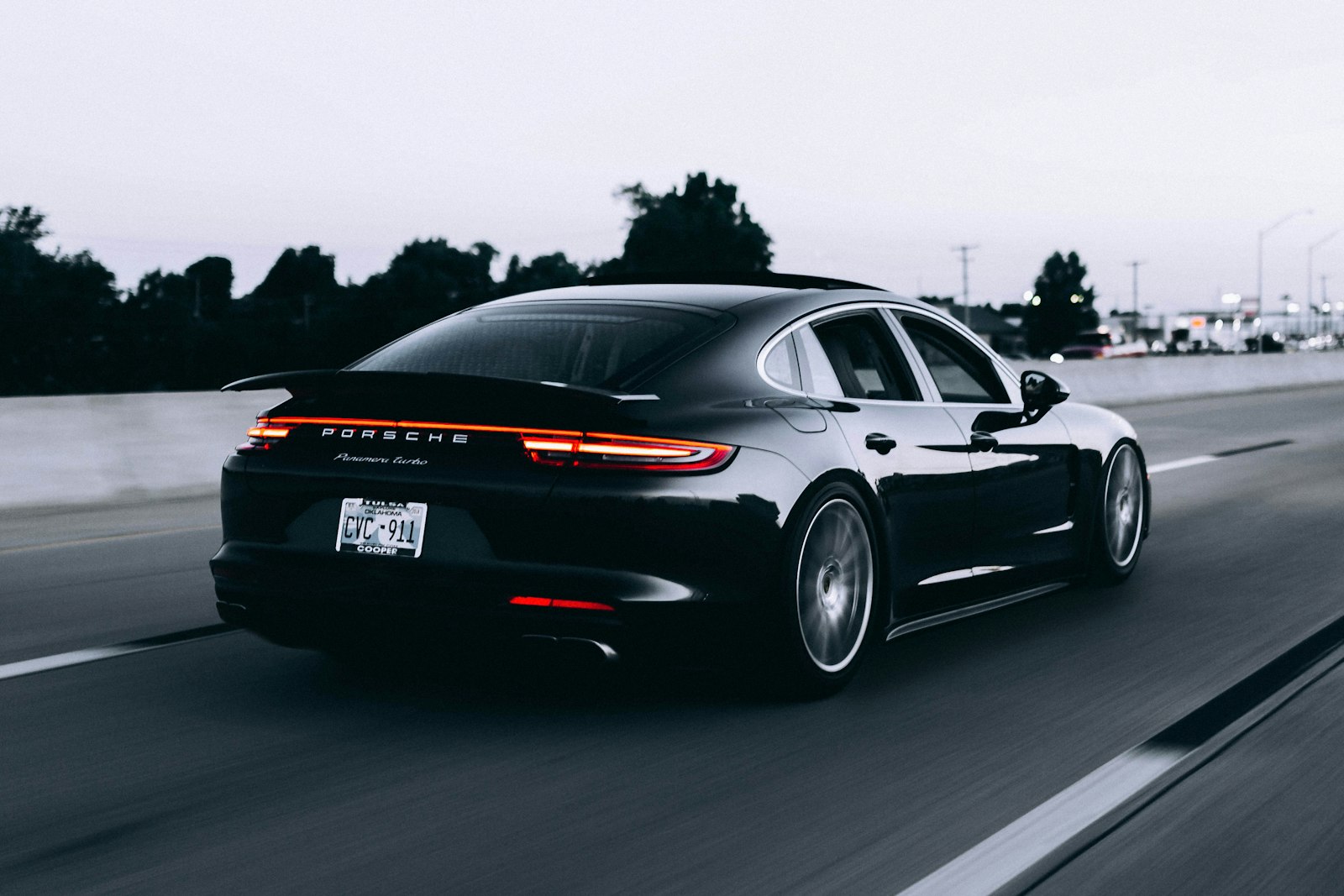
What Defines a Car or Four-Wheeler?
A car, or four-wheeler, is a road vehicle designed to transport passengers using four wheels, an enclosed or semi-enclosed cabin, and a complex integration of mechanical, electrical, and electronic systems. Unlike two-wheelers, cars prioritize stability, occupant protection, and comfort across varied conditions.
Modern cars are no longer purely mechanical machines. They are cyber-physical systems where software, sensors, and electronic control units play a central role in how the vehicle behaves in real-world driving.
Understanding cars from an engineering perspective requires looking beyond engines and horsepower, and instead examining how multiple subsystems work together as a single integrated system.
Core Architecture of a Modern Car
Every four-wheeler is built around a foundational architecture that determines how power is generated, transmitted, controlled, and safely dissipated.

Powertrain
The powertrain includes the engine or electric motor, transmission, driveshafts, and differential. In combustion vehicles, fuel energy is converted into mechanical work, while electric vehicles use stored electrical energy.
Transmission design varies widely depending on vehicle purpose, with manual, automatic, dual-clutch, and continuously variable transmissions optimized for different performance and efficiency goals.
Chassis and Body Structure
The chassis forms the structural backbone of a car, supporting all major systems. Modern vehicles primarily use unibody construction to improve rigidity, reduce weight, and enhance crash performance.
Suspension, Steering, and Vehicle Dynamics

Suspension systems manage the interaction between the vehicle and the road, balancing ride comfort with handling stability. Common layouts include MacPherson struts, multi-link systems, and double wishbones.
Steering systems translate driver input into controlled wheel movement. Electric power steering enables variable assistance and integration with safety systems.
Vehicle dynamics engineering ensures predictable behavior during acceleration, braking, and cornering under diverse road conditions.
Braking Systems and Active Safety

Braking systems convert kinetic energy into heat to slow or stop the vehicle. Disc brakes are standard in modern cars due to consistent performance and effective heat dissipation.
Active safety systems such as ABS, ESC, and traction control continuously monitor wheel speed and vehicle motion to prevent loss of control.
Passive Safety and Occupant Protection
Passive safety systems protect occupants during collisions. These include crumple zones, airbags, seatbelts, and reinforced passenger compartments.
Modern crash engineering focuses on controlled deformation to absorb impact energy and reduce forces transmitted to occupants.
Electronics, Software, and Driver Assistance

Modern cars contain dozens of electronic control units communicating over vehicle networks. These systems manage everything from engine operation to infotainment and advanced driver assistance systems.
ADAS features such as adaptive cruise control and lane keeping assist represent a transition toward higher levels of automation.
Efficiency, Emissions, and Regulations
Fuel efficiency and emissions regulations heavily influence car design. Engineers balance performance, cost, and compliance through lightweight construction, aerodynamics, and powertrain optimization.
The Future of Cars and Four-Wheelers
The future of four-wheelers lies in electrification, increased automation, and tighter integration between software and hardware systems. Progress will be evolutionary rather than abrupt.